Royal Arsenal Riverside gardeners rescue garden case study
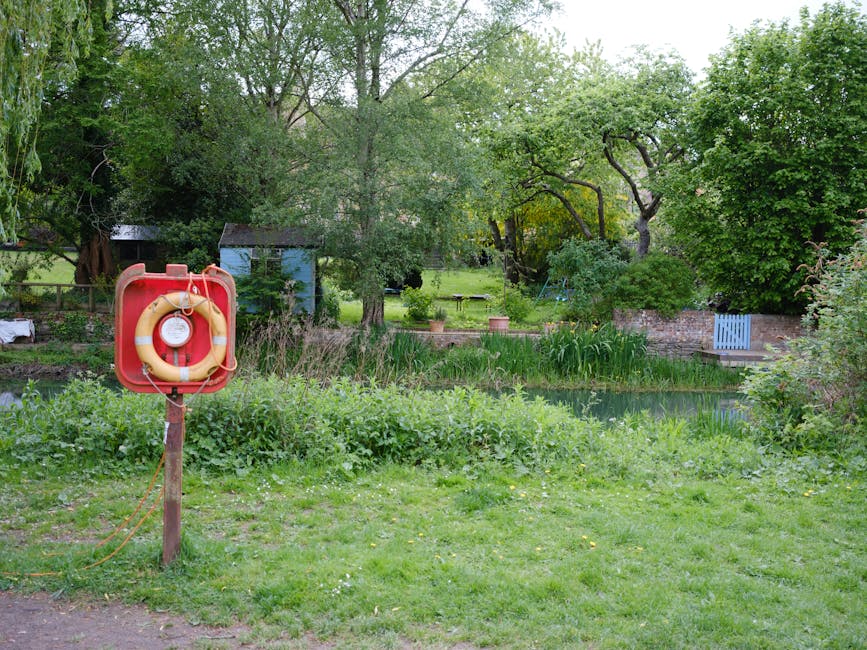
If your outdoor space has slipped from "nice to look at" into "where do we even start?", you are not alone. A garden can get away from you quickly: weeds creep in, turf thins out, hedges lose shape, and suddenly the whole place feels heavier than it should. This Royal Arsenal Riverside gardeners rescue garden case study looks at what a real garden recovery involves, why it matters, and how a skilled team approaches the work without overcomplicating it.
The aim here is simple: show you how a neglected or overgrown garden can be turned back into something tidy, usable, and properly maintained. We will cover the rescue process step by step, practical benefits, mistakes to avoid, and what kind of results you can reasonably expect. If you are weighing up whether to book professional help or tackle it yourself, this will give you a clear, honest starting point.
- Why Royal Arsenal Riverside gardeners rescue garden case study Matters
- How Royal Arsenal Riverside gardeners rescue garden case study Works
- Key Benefits and Practical Advantages
- Who This Is For and When It Makes Sense
- Step-by-Step Guidance
- Expert Tips for Better Results
- Common Mistakes to Avoid
- Tools, Resources and Recommendations
- Law, Compliance, Standards, or Best Practice
- Options, Methods, or Comparison Table
- Case Study or Real-World Example
- Practical Checklist
- Conclusion
- Frequently Asked Questions
Why Royal Arsenal Riverside gardeners rescue garden case study Matters
A garden rescue is not just a tidy-up. In a place like Royal Arsenal Riverside, where outdoor space is part of how a home feels day to day, the condition of the garden affects much more than appearance. It affects how you use the space, how safe it feels, how much light reaches the house, and frankly, whether you want to step outside at all.
That is why a case study matters. It shows the shape of the work in the real world, not just the polished before-and-after photos. A proper rescue often includes clearance, pruning, lawn recovery, hedge work, border definition, and a plan for keeping the garden manageable afterwards. One afternoon of visible improvement is nice. Long-term control is better.
Truth be told, many gardens do not need a full redesign. They need a structured rescue first. You clear the clutter, restore the basics, and then decide what should stay, what should go, and what needs a new routine. If that sounds unglamorous, well, it is. But it works.
For local homeowners and landlords, there is also a practical side. A well-kept garden can make moving day easier, reduce complaints, and stop a small maintenance issue becoming a much larger one. If you are exploring broader support, it can help to understand the wider range of garden services available before deciding what your space actually needs.
How Royal Arsenal Riverside gardeners rescue garden case study Works
The rescue process usually starts with a short assessment. Not a grand formal inspection, just a close look at what is growing, what is damaged, what is blocked, and what can realistically be brought back. A good gardener will separate urgent work from cosmetic work. That distinction matters more than people think.
From there, the job is usually broken into stages:
- Clear access: remove loose waste, dead growth, broken pots, and anything that is physically in the way.
- Cut back overgrowth: deal with hedges, shrubs, brambles, and any self-seeded growth that has taken over.
- Restore the lawn: mow safely if the grass can be cut, or treat it as a recovery task if it is badly overgrown.
- Shape and structure: define edges, borders, and main planting areas so the garden looks intentional again.
- Dispose responsibly: remove waste in line with recycling and disposal best practice.
- Set a maintenance rhythm: agree on what needs weekly, fortnightly, or seasonal follow-up.
In many rescues, the first hour is about removal, not refinement. That is normal. Once the heavy work is done, the space starts to breathe again. You can hear it, almost. Less rustle from weeds, more open air, a bit more light across the paving. Small thing, but it changes the mood fast.
If the project includes heavier landscaping changes, such as reworking a tired layout or improving the flow of the garden, the team may move from rescue mode into broader landscape gardening or landscaping work. That is often the point where a rescue becomes a real upgrade.
Key Benefits and Practical Advantages
A rescued garden gives you more than a tidy view from the window. The main benefit is usability. Once a space is clear and structured, you can actually step into it, sit in it, or ask someone else to maintain it without embarrassment. That sounds blunt, but it is often the real trigger for booking the work.
Here are the biggest practical advantages:
- Better first impression: a neat front or rear garden changes how the whole property feels.
- Less ongoing stress: once the worst of the overgrowth is gone, maintenance becomes easier.
- Safer access: clear paths, reduced trip hazards, and less hidden debris.
- Healthier planting conditions: improved airflow, light, and space for shrubs or lawn to recover.
- More realistic upkeep: the garden becomes something you can manage, not just avoid.
There is also a subtle benefit people overlook: decision-making becomes easier. When a garden is messy, every choice feels bigger than it is. Once it is cut back and cleared, you can see where to invest and where to keep things simple. That clarity is worth a lot.
For some homes, the work may include a few practical finishing touches such as decking services if a seating area needs rebuilding, or focused lawn mowing if the turf is recoverable and needs a cleaner routine. It depends on the garden, not the marketing brochure. Simple as that.
| Garden situation | Typical rescue focus | What success looks like |
|---|---|---|
| Overgrown but healthy | Clearance, pruning, lawn recovery | Space opens up and maintenance becomes manageable |
| Neglected for months | Heavy cut-back, waste removal, structural tidy-up | Garden is safe, usable, and reset |
| Tired layout | Rescue plus light redesign | Garden feels purposeful rather than patched together |
| High-maintenance property | Routine maintenance plan | Less regrowth, fewer emergency callouts |
Who This Is For and When It Makes Sense
This kind of garden rescue makes sense for a few different people. Homeowners are the obvious group, but they are not the only ones. Landlords, letting agents, residents returning after time away, and people recovering from a busy life stage often need the same thing: a clean reset.
It also makes sense when the garden has crossed a practical threshold. For example, if you can no longer see where the edges are, if bins are hard to move, if the lawn has become patchy or inaccessible, or if hedges are blocking light and paths, the garden probably needs intervention rather than another small tidy.
Who benefits most?
- Owners of compact urban gardens that are easy to neglect for a few months
- Busy households that need a low-friction maintenance routine
- Property managers preparing a home for photos, tenants, or sale
- Anyone who wants a garden to feel calm rather than chaotic
There is a fair bit of judgement involved too. A rescue is sensible when the structure is still there underneath the mess. If the garden has deeper issues such as severe drainage problems, unstable trees, or failing retaining structures, then you may need specialist work first. In those cases, a team may recommend tree lopping and removal or a more complete treatment plan rather than a simple clearance.
Step-by-Step Guidance
Here is the simplest way to think about a garden rescue. Break it down. Do not try to fix everything in one heroic burst at 8am on a Sunday, because that usually ends with sore hands, half a bag of waste, and a cup of tea gone cold. Been there, many people have.
- Walk the garden first. Note hazards, heavy growth, broken items, and access points.
- Separate what stays from what goes. Decide whether any plants, features, or hardscape elements are worth keeping.
- Remove bulky waste. Start with the obvious clutter so the space becomes workable.
- Cut back by zone. Tackle one section at a time, which helps avoid fatigue and missed spots.
- Shape the edges. Clean borders and clear pathways create an immediate sense of order.
- Address lawns and hedges. If the grass can be recovered, mow and define it. If hedges are flopping, trim them back properly.
- Rake, collect, and check again. This is where hidden debris shows up.
- Dispose of waste responsibly. Separate green waste where possible and avoid dumping mixed debris.
- Finish with a maintenance plan. Agree on the next visit or routine so the garden does not revert quickly.
If hedges are part of the problem, a tidy cut can transform the feel of the garden in one go. You may want to review hedge trimming as part of the wider maintenance picture, because unmanaged hedges tend to make everything else look worse than it is.
And yes, sometimes a rescue exposes the next job. That is fine. It is actually useful. Once the garden is clear, the real priorities become obvious instead of hidden under leaves and old growth.
Expert Tips for Better Results
The best garden rescues are not always the most dramatic. They are the ones that leave a garden easier to live with six weeks later. That is the bit that matters.
- Start with access, not appearance. Clear the areas you need to move through first.
- Do not scalp everything. Heavy cutting can shock some plants and leave the space looking harsh.
- Work from top to bottom. Tackle trees, hedges, shrubs, then lawns and borders.
- Keep a waste plan ready. Piles of cuttings left sitting around create extra work and can attract pests.
- Leave a margin for regrowth. A slightly softer finish is often healthier and easier to maintain.
- Use the rescue to reset habits. Put a simple schedule in place while the garden is already in good shape.
One practical tip that gets ignored: take photos before, during, and after. Not for vanity. For reference. When a garden is heavily cut back, it is easy to forget where problem areas were or where the best light falls at different times of day. A photo at 4pm in late summer can be surprisingly helpful. Tiny detail, but useful.
If you want the space to remain manageable, a light ongoing plan is usually better than occasional panic. A service like garden maintenance can stop the cycle of "it got out of hand again" before it starts. That is often the whole game.
Common Mistakes to Avoid
Most garden rescue problems are not dramatic mistakes. They are small ones repeated for too long. The garden gets overgrown because no one sees the rate of change until it is inconvenient. Very normal, to be fair.
- Waiting until the space is unusable. Earlier intervention is almost always cheaper and easier.
- Cutting without a plan. Random trimming can leave awkward shapes and more waste.
- Ignoring hidden waste. Old pots, broken edging, and debris often stay tucked into corners.
- Assuming every plant should be saved. Sometimes removal is the kinder option.
- Forgetting maintenance after the rescue. This is the big one, honestly.
- Skipping safety checks. Overgrown gardens can hide slippery surfaces, unstable branches, and sharp objects.
A lot of people also underestimate the mess that comes out of a seemingly small space. One corner bed and a hedge row can create an impressive amount of waste once cut back. You look at the pile and think, really? Yes. Really. Nature is efficient like that.
If a job includes a serious amount of waste, it may need dedicated garden clearance rather than a normal tidy-up. That distinction matters because the equipment, disposal approach, and time needed are different.
Tools, Resources and Recommendations
For a professional-style rescue, the right tools make the difference between tidy and messy. You do not need every gadget available on the market. You need the basics used well.
- Secateurs and loppers for precise pruning
- Hedge trimmers for straight, even cutting lines
- Rakes and tarps for collecting cuttings efficiently
- Heavy-duty bags or bins for waste separation
- Gloves, eye protection, and sturdy footwear
- A mower that suits the lawn condition, if mowing is safe
For local homeowners, the most useful resource is a clear service menu and an honest quote process. That way, you know whether you need clearance, pruning, mowing, or full recovery work. A quick look at pricing and quotes helps set expectations before anyone starts cutting. And if you are choosing a provider, it is sensible to understand how they handle insurance and safety as well.
Waste handling also matters more than people think. Good practice is to sort green waste separately where possible and avoid leaving materials mixed together. If sustainability is important to you, see whether the provider has a sensible approach to recycling and sustainability. It is a small detail, but the responsible ones tend to be more organised in general.
Law, Compliance, Standards, or Best Practice
For garden rescue work, the main compliance concerns are usually safety, waste handling, property access, and the treatment of trees or large shrubs. The exact legal duties depend on the site and the work involved, so it is best to be careful and practical rather than overstate things. In UK settings, a reputable gardener should work in line with sensible health and safety practice, use appropriate protective equipment, and dispose of waste responsibly.
If a project involves tree work, fallen branches, or anything near structures, the work may need more caution than a normal trim. That is where careful judgement comes in. Sometimes a tree is part of the character of the garden. Sometimes it is blocking light, pressing against fencing, or creating risk. The right answer is not always obvious on first glance.
Good best practice also includes:
- Checking access routes before starting
- Identifying trip hazards and hidden debris
- Using suitable tools for the size of the job
- Separating routine maintenance from heavier corrective work
- Explaining what can be safely kept and what should be removed
If you want reassurance about the company side of things, it can help to review the provider's about us page and relevant policy information such as health and safety policy, payment and security, and terms and conditions. That is not glamorous reading, sure, but it tells you a lot about how a business works.
Options, Methods, or Comparison Table
There are usually three broad ways to deal with an overwhelmed garden: a simple tidy, a rescue clearance, or a full recovery-and-redesign approach. Choosing the right one saves time and money, which, let's face it, is the point.
| Method | Best for | Pros | Limits |
|---|---|---|---|
| Simple tidy | Light overgrowth and routine upkeep | Quick, low disruption, budget-friendly | Not enough for badly neglected gardens |
| Rescue clearance | Overgrown, cluttered, or hard-to-use gardens | Fast transformation, restores access and structure | May not fix underlying layout issues |
| Recovery and redesign | Gardens needing both reset and rethinking | Best long-term result, more tailored use of space | Takes more planning and usually more time |
The smartest choice is usually the least ambitious one that genuinely solves the problem. If the garden simply needs opening up again, do that first. If the space still feels awkward afterwards, then consider a more considered landscaping phase. No need to jump straight to major works if a good clearance will do the job.
Case Study or Real-World Example
Here is a realistic example of the kind of rescue work this topic is about. A riverside home had a rear garden that had drifted into disuse over time. The main issues were simple but layered: a lawn that had become patchy and long, hedge growth spilling into the narrow side access, and borders that had lost shape under a mix of weeds and self-seeded growth. Nothing unusual. Just one of those gardens that becomes harder to face each month.
The first stage was clearance. Loose debris was removed, the access route was opened, and the worst of the overgrowth was cut back so the garden could actually be used. That made the biggest difference immediately. The space looked larger before any "finishing" work even began.
Next came the restoration work: the hedge line was trimmed back into a clean edge, the lawn was reduced to a manageable height, and the borders were redefined so the planting area could breathe. At that point, the garden stopped feeling like a problem and started feeling like a project with a future. Not a perfect one. A better one.
The final part was the important part. The gardeners did not just leave after the visual transformation. They discussed what would keep the space under control: a simpler maintenance rhythm, seasonal hedge checks, and regular mowing rather than waiting for growth to get away again. That follow-up step is often what separates a one-off tidy from a proper rescue.
In case you are wondering, yes, the garden still needed ongoing attention afterwards. That is the honest part most people skip. A rescue creates momentum. Maintenance protects it.
Practical Checklist
Use this checklist if you are deciding whether your garden needs a rescue visit or a lighter touch.
- Can you walk through the garden without dodging obstacles?
- Are weeds, brambles, or self-seeded growth taking over borders?
- Has the lawn become too long, patchy, or difficult to mow safely?
- Are hedges blocking light, access, or views?
- Is there a build-up of green waste or general clutter?
- Do you know what should be kept and what should be removed?
- Would a maintenance plan stop the problem from returning?
- Do you need clearance, trimming, mowing, or a broader landscape refresh?
- Have you checked the provider's safety, payment, and waste-handling approach?
- Will the result make the garden easier to use, not just nicer to look at?
If you can answer "no" to several of these, a rescue is probably the right conversation to have. If you can answer "yes" to most of them, you may only need a lighter maintenance visit. That's the useful distinction.
Get a free quote today and see how much you can save.
Conclusion
A Royal Arsenal Riverside gardeners rescue garden case study is really about a simple promise: taking a garden from overwhelming to manageable, and then making sure it stays that way. The best results come from clear assessment, practical cutting back, responsible waste removal, and a realistic follow-up plan. No drama. No guesswork. Just solid work done in the right order.
If your garden feels like it has slipped too far, do not wait for the next season to fix it. A well-executed rescue can give you back space, light, and a bit of peace of mind. And honestly, that is often worth more than the neat photo at the end.
Sometimes a garden just needs someone to walk in, take a breath, and say: right, let's sort this properly.
Frequently Asked Questions
What is a garden rescue in practical terms?
A garden rescue is a focused tidy-up and recovery service for outdoor spaces that have become overgrown, cluttered, or hard to manage. It usually includes clearance, trimming, mowing, and restoration of structure.
How do I know if I need a rescue or just regular maintenance?
If the garden is still accessible and only needs routine care, maintenance may be enough. If paths are blocked, hedges are out of control, or the space feels unmanageable, a rescue is usually the better fit.
How long does a garden rescue usually take?
It depends on the size of the garden and how neglected it is. A small space may take a few hours, while a heavily overgrown garden can take much longer. The key factor is the amount of clearance needed.
Will everything be cut right back?
Not necessarily. A good gardener will decide what should be reduced, what should be shaped, and what should be left alone. Heavy cutting is not always the best answer, especially for healthy shrubs.
Can an overgrown lawn be saved?
Sometimes, yes. If the grass is not too far gone, careful mowing and follow-up maintenance can help. If it has been neglected badly, the lawn may need more recovery work or replacement planning.
What happens to all the waste?
Waste should be removed responsibly, with green waste separated where possible and materials disposed of properly. A tidy rescue job should leave the garden clean, not with piles of cuttings left behind.
Do I need landscaping after a garden rescue?
Not always. Some gardens only need a reset and a maintenance routine. Others benefit from light landscaping if the layout is awkward or the hardscape needs improving after the clear-up.
Is hedge trimming part of a rescue visit?
Very often, yes. Overgrown hedges can dominate the whole garden, reduce light, and make access harder. Trimming is one of the quickest ways to restore shape and balance.
What should I ask before hiring a gardener for rescue work?
Ask what is included, how waste is handled, whether they are insured, how they approach safety, and whether they provide clear pricing. Those basics tell you a lot.
How can I stop the garden from getting out of hand again?
Set a simple routine. Regular mowing, seasonal hedge work, and occasional maintenance visits are usually enough to stop the cycle. Small, steady work beats a huge rescue every year. Every time.
Is there a difference between garden clearance and garden maintenance?
Yes. Garden clearance is usually a heavier, one-off job focused on removing overgrowth and clutter. Garden maintenance is the ongoing care that keeps the space tidy after the rescue has been done.
Where should I start if I want professional help?
Start with a clear view of the problem areas, then review the service information and request a quote. If you want to learn more about the company before reaching out, the about us page is a sensible place to begin, followed by the contact us page when you are ready to talk through the job.